
Integrative Mathematical Frameworks for Biological Systems: Applications of Queueing Theory and Fractal Geometry in Pathology and Genomic Analysis
Abstract
Together, fractal geometry, information theory (especially queueing theory), and educatory mathematics provide a potent multidisciplinary approach to examine complicated biological systems, especially in pathology and genetic data. This study looks at how these different but related disciplines can help us better grasp how diseases progress, genetic mutations, and the natural complexity of biological structures work. Educatory mathematics gives the basic quantitative tools, information queueing theory helps understand how biological signals and resources are processed and flow, and fractal geometry clarifies the complex and self-similar patterns typical of biological systems. We will go over how this synergistic method helps make new diagnostic tools, predict disease outcomes, and move personalized medicine forward. We'll also talk about its theoretical basis and how it can be used in real life.
Keywords:Educatory mathematicsInformation Queueing TheoryFractal geometryGenetic dataBioinformaticsDisease modellingPersonalized medicine
1. Introduction
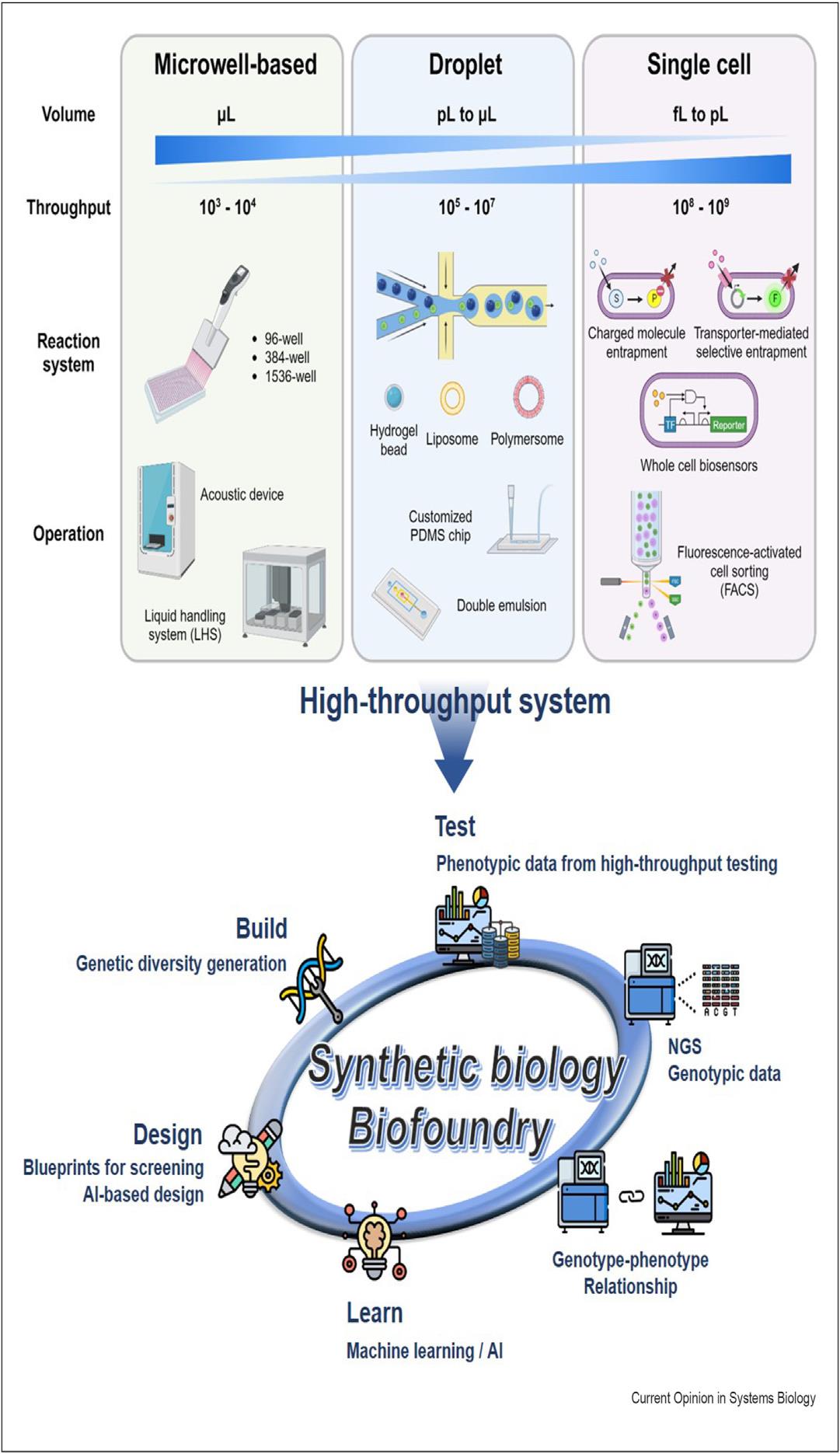
The advent of High-Throughput (HT) techniques in biology has produced an unheard-of amount of data that calls for complex analysis tools to find significant insights, as depicted in Fig. 1 [1].
This figure is shown in the PDF version of the article.
Although helpful, conventional statistical techniques usually fail to fully reflect the complex, dynamic, and occasionally non-linear nature of biological systems [2]. This study suggests that a careful combination of fractal geometry, information queueing theory, and educational mathematics offers a solid base from which to meet these issues. Understanding sophisticated biological phenomena depends on the foundation provided by educatory mathematics, which covers a wide spectrum of quantitative techniques. Usually used in operations research and telecommunications, information queueing theory provides a fresh viewpoint from which to see the control and processing of biological resources and information. A perfect model for explaining the from DNA to organ morphology, biological structures are inherently complicated and organized in a hierarchical way [3].
2. Educatory Mathematics: The Foundational Layer
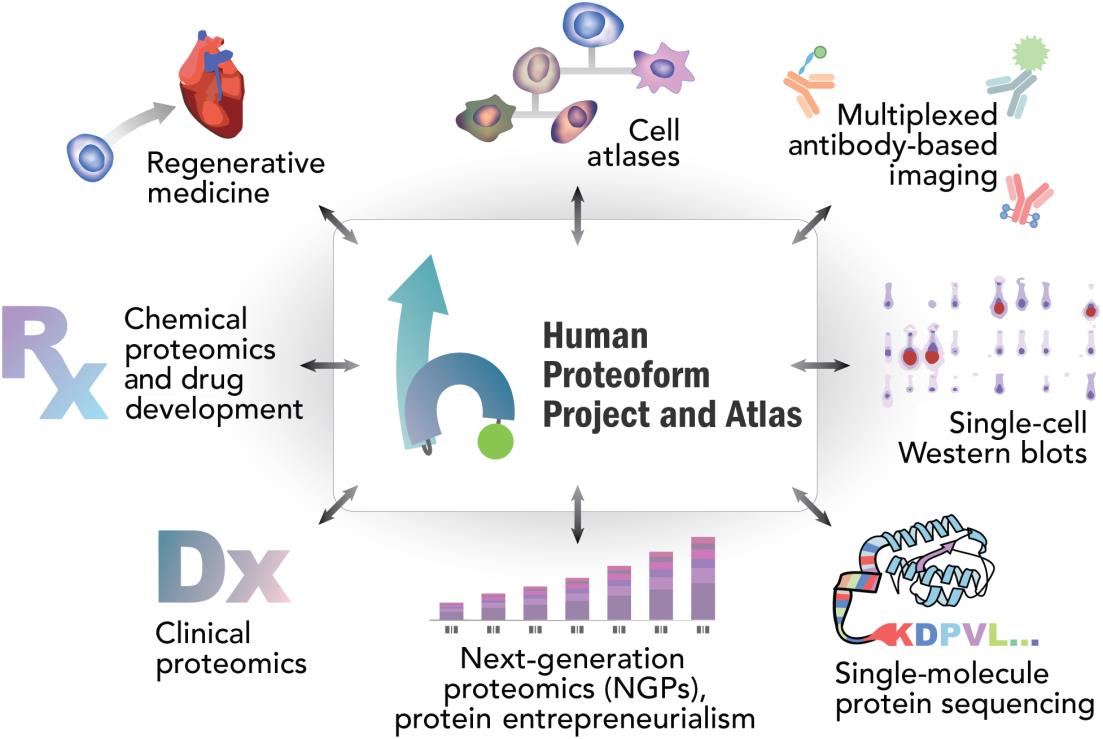
In this case, educatory mathematics is a whole set of mathematical ideas and techniques that are necessary for serious scientific study [2–5]. This covers linear algebra for examining high-dimensional genetic data, differential equations for simulating dynamic biological processes, probability and statistics for measuring uncertainty and drawing connections, and computer methods for data simulation and analysis, as depicted in Understanding the kinetics of medicine absorption and metabolism in pathology, for example, calls for differential equations, but finding disease-associated gene clusters in genetic data typically depends on A linear algebraic approach used in principal component analysis. The pedagogical focus of educatory emphasizes the need of not only using these techniques but also profoundly grasping their theoretical underpinnings to fit them to new biological situations. More specialized mathematical approaches may now be incorporated since this basic level allows the quantitative definition of biological events, therefore opening the path for it.
This figure is shown in the PDF version of the article.
This figure is shown in the PDF version of the article.
This figure is shown in the PDF version of the article.
This figure is shown in the PDF version of the article.
This figure is shown in the PDF version of the article.
This figure is shown in the PDF version of the article.
3. Information Queueing Theory: Modelling Biological Processes
and Resource Allocation
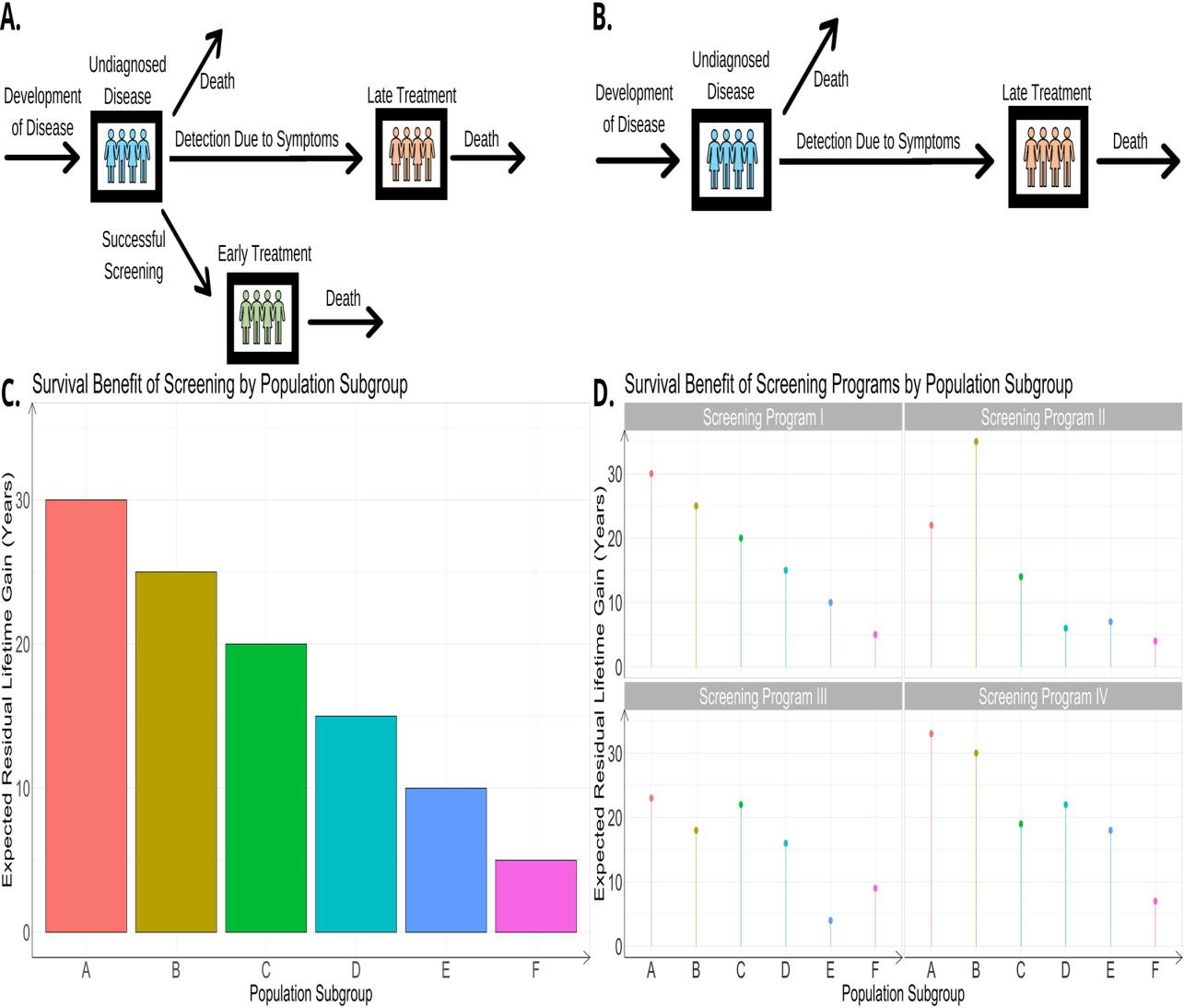
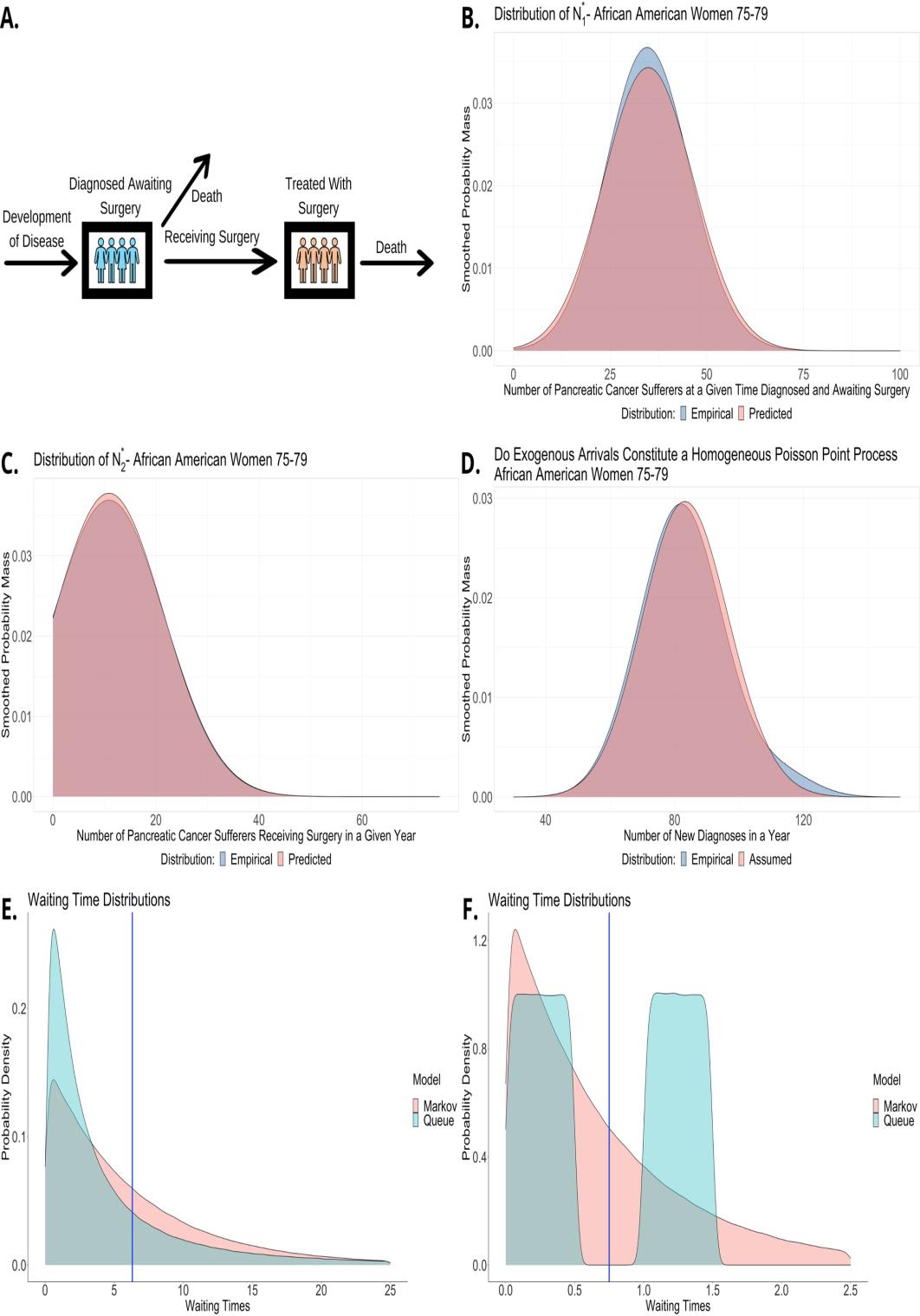
Originally used to simulate systems where consumers arrive, wait in line, get served, and then depart, information queueing theory presents a strong parallel for several biological processes [6–8]. Biological systems have servers as receptors, enzymes, or even cellular organelles, whereas consumers can be signalling molecules, proteins, immune cells, or even transcription machinery. Biological components waiting processing or interaction can be represented by queues, as depicted in Figs. 8-14 [9].
This figure is shown in the PDF version of the article.
This figure is shown in the PDF version of the article.
This figure is shown in the PDF version of the article.
This figure is shown in the PDF version of the article.
This figure is shown in the PDF version of the article.
This figure is shown in the PDF version of the article.
This figure is shown in the PDF version of the article.
Pathology
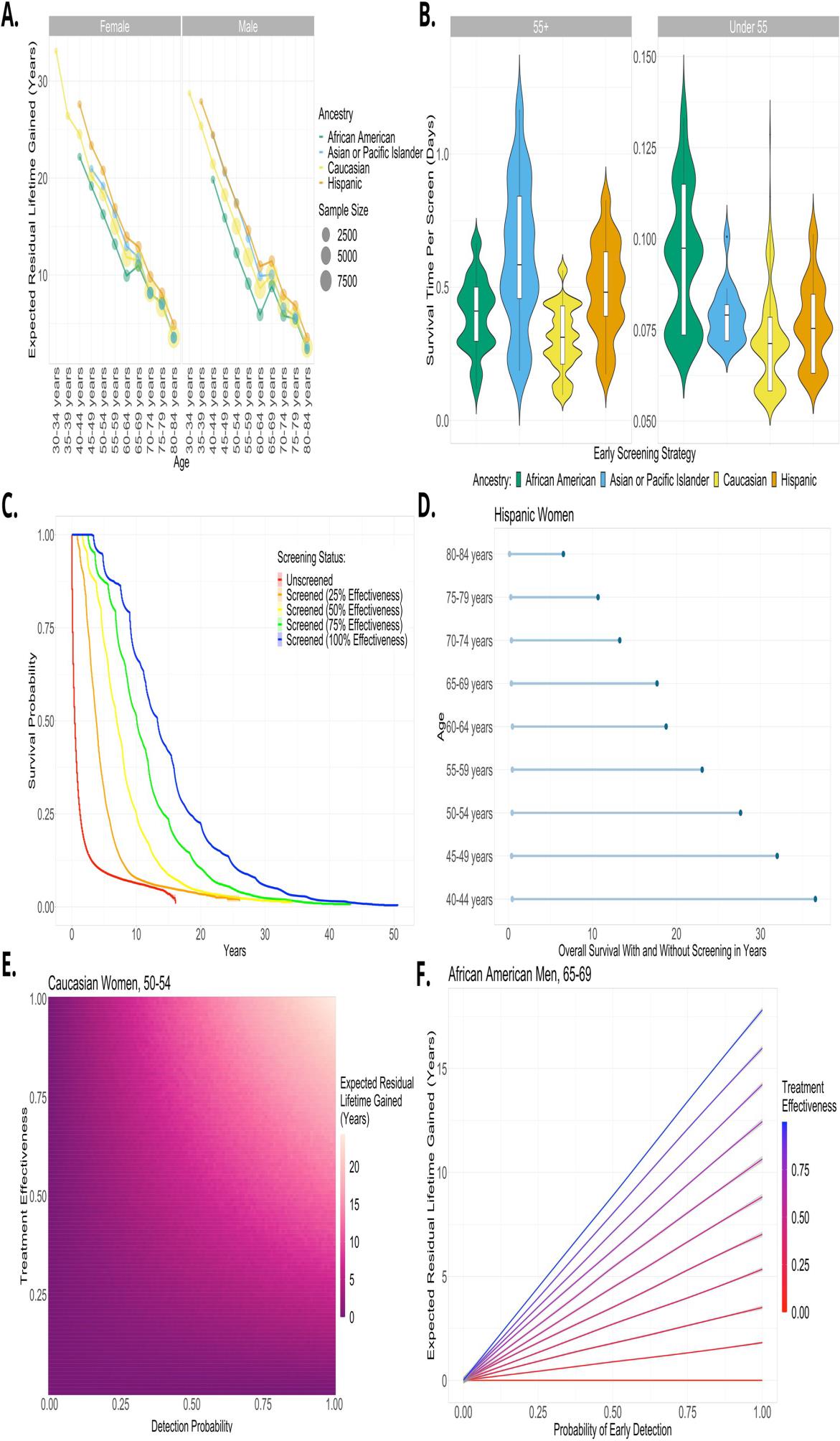
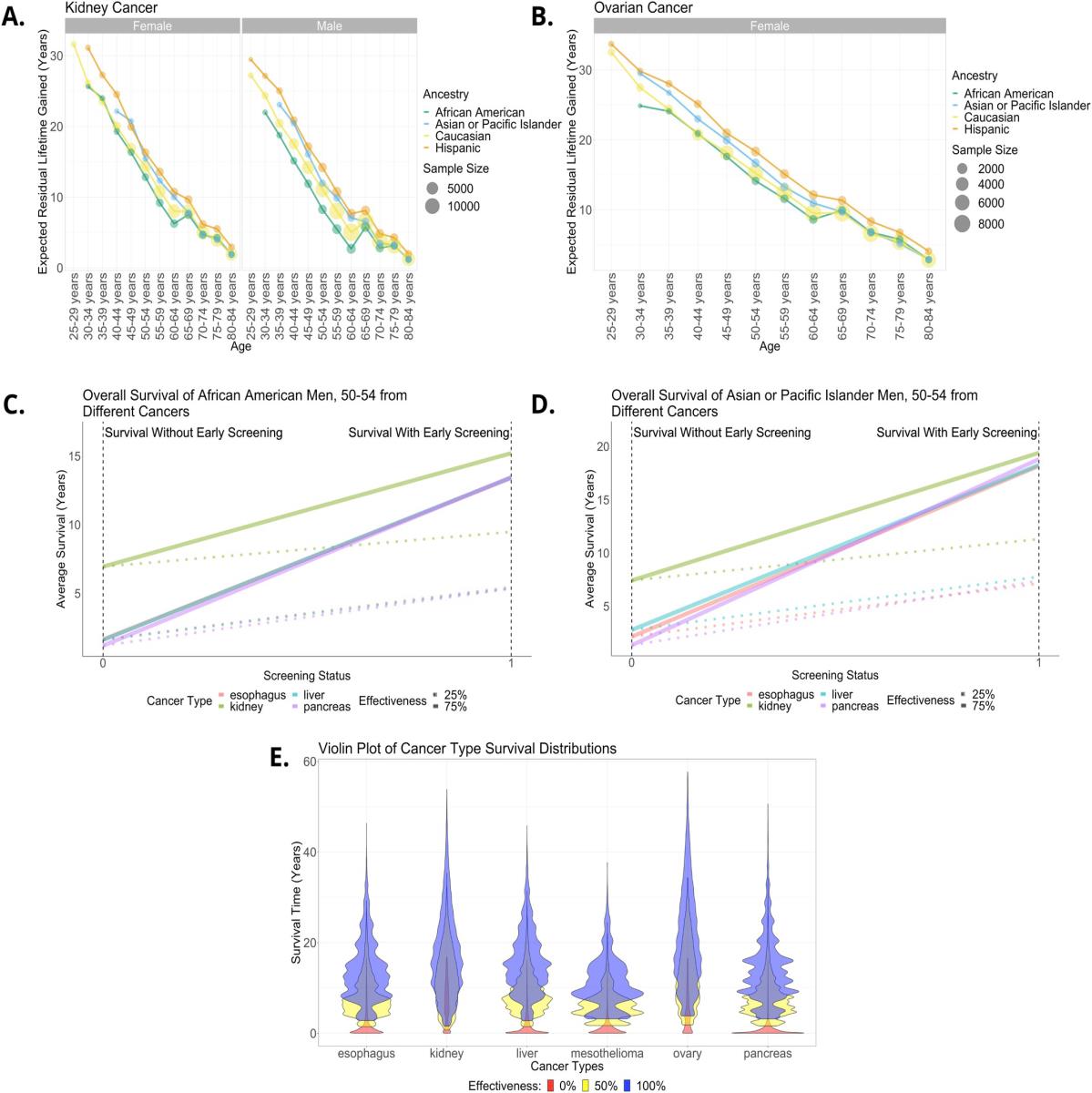
Cancer development can be seen as a queueing system in which growth signals outcompete control mechanisms, therefore causing a cell cycle regulation imbalance, as illustrated by Figs. 15-22 [10].
This figure is shown in the PDF version of the article.
This figure is shown in the PDF version of the article.
This figure is shown in the PDF version of the article.
This figure is shown in the PDF version of the article.
Knowing how quickly growth factors arrive and how well cell cycle inhibitors work can help us figure out how tumors grow and if there are any good places to target them with drugs. Likewise, the immune response to pathogens consists of intricate queueing dynamics wherein immune cells (customers) identify and kill infected cells (servers). Disruptions in these queueing mechanisms can cause autoimmune disorders or immunodeficiency.
Genetic data
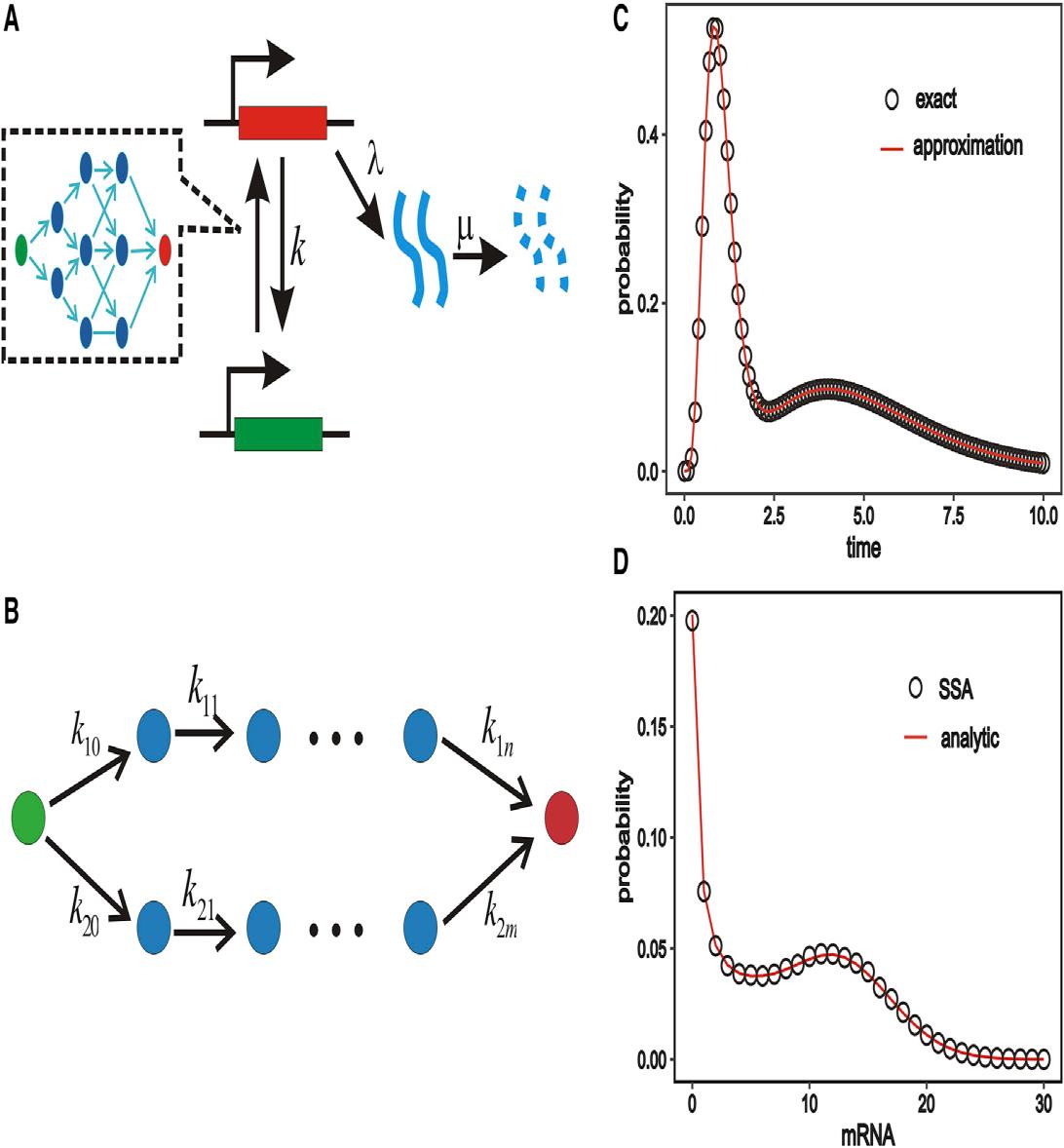
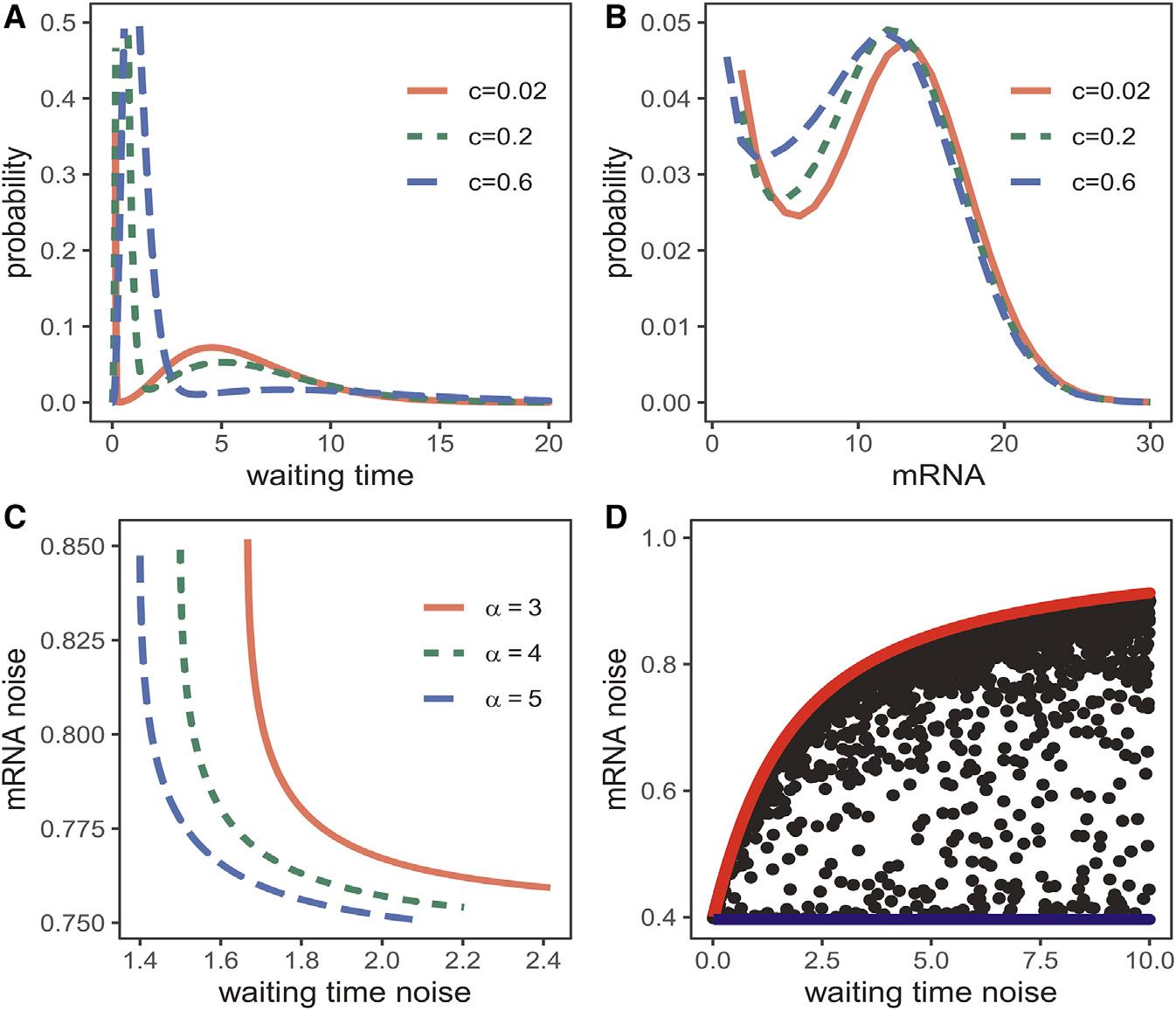
Gene expression, transcription, and translation can be simulated as queueing systems as well, as visualised through Figs. 19-21 [10]. RNA polymerase molecules, also known as servers, turn DNA templates into mRNA. Ribosomes are then able to turn mRNA into proteins.
This figure is shown in the PDF version of the article.
This figure is shown in the PDF version of the article.
This figure is shown in the PDF version of the article.
This figure is shown in the PDF version of the article.
However, bottlenecks or problems in these processes can cause problems. Potentially brought on by genetic changes, can lead to unprocessed molecule accumulation or a drop in essential protein production, therefore influencing disease phenotypes [10]. Examining these queuing models reveals important regulatory points and enables projection of how genetic variations would affect cellular function [11–13].
4. Fractal Geometry: Unravelling the Complexity of Biological Structures
To characterize things that show self-similarity and minute detail across several scales, fractal geometry offers a mathematical language. From the folding of protein molecules and DNA to the branching patterns of the bronchial tree and nerve dendrites, several biological structures have fractal features [12]. This inherent fractal nature points to an evolutionary advantage by maximizing surface area for exchange, effective transportation, and strong performance in small spaces.
I. Pathology: abnormal fractal dimensions can point to underlying disorders. For example, the fractal dimension of chromatin structure in cell nuclei has Reflecting changed gene regulation and cellular architecture, been shown to change during cancer progression, as depicted in Fig. 22 [14].
This figure is shown in the PDF version of the article.
Similarly, the fractal study of tumor Studying medical images such as those of tumors' angiogenesis (the development of new blood vessels) can reveal information on tumor aggressiveness and response to anti-angiogenic treatments. Using fractal algorithms, histopathological slides or radiological images can expose minute structural changes not visible by conventional methods.
II. Genetic data: the fractal qualities of DNA inside the nucleus and the complex three-dimensional folding of proteins show themselves. Often caused by genetic mutations, changes in DNA supercoiling or protein misfolding can affect their fractal dimensions and hence their function and contribute to illness [14]. Fractal analysis may also be used on genetic sequences themselves to find non-random patterns that could point to disease susceptibility loci or regulatory regions.
5. Synergy and Applications
The real strength of this hybrid approach comes from the way these different areas work together to make each other better. Educatory mathematics offers the means to determine fractal dimensions and to quantify the parameters for information queueing models. Resource allocation and processing enabled by information queueing theory can help to guide the construction or maintenance of fractal structures. In turn, fractal geometry can offer the structural background for the dynamic phenomena simulated by queueing theory.
I. Disease modelling and prediction: combining queueing models of how cells work with fractal analysis of tissue structure helps scientists create better, more complete models of how diseases progress. Modelling the immune response to viral infection with queueing theory and fractal geometry offers insights into immune functioning and viral spread [4–8]. Personalized medicine can utilize variations in biological queueing systems and fractal architectures related to genetics. Fractal chromatin configurations or cellular signalling effectiveness may indicate drug response or disease risk.
II. Biomarker discovery: the integrated method helps find fresh biomarkers. Together with changes in the effectiveness of cellular queueing systems, changes in fractal dimensions of tissue morphology may offer more robust and early indicators of disease than single-parameter measurements [10].
6. Open Problems
Though the future looks bright, a few unsolved issues linger:
I. The establishment of a first time ever info-geometric analysis for the analytical expression of the mRNA distribution [15], given by:
r k+r
Γ( +m)Γ( ) λ m μ μ ( ⁄μ) r k+r λ
p(m) = × F ( + m, , − ), (1)
r k+r 1 1 Γ( )Γ( +m) m! μ μ μ
where F defines the confluent hypergeometric function [6], and Γ(. ) Is the common Γ-function. This distribution has been derived in previous works [6–9]. This would provide a pivotal new discovery to analyse mRNA distribution info-geometrically. In a nutshell, by creating this novel trajectory of research, a new discovery is created from scratch to employ Information Geometry (IG) [2–10] to analyse and model mRNA dynamics, as well as providing a first time ever a new field of human knowledge, namely computational IG for mRNA dynamics.
II. Comparative studies depend on the establishment of uniform ways to compute fractal dimensions and queueing model parameters across various biological datasets.
III. Computational complexity: using these cutting-edge mathematical tools to examine massive volumes of genetic data and complicated biological images calls for a lot of computer power and good algorithms. IV. Confirmation of the biological relevance and predictive power of models produced from this mixed approach depends on thorough experimental validation.
V. Combining with machine learning: looking at how well these mathematical structures may be used with cutting-edge machine learning methods to improve pattern recognition and prediction accuracy.
VI. Multiscale modelling: it is still very difficult to find ways to combine queueing theory and fractal geometry at different biological levels, from molecular interactions to organ systems.
7. Conclusion
Fractal geometry, mathematics, and queueing theory form a foundation for analysing pathology and genetic data. This approach captures biological complexity, aiding in understanding disease mechanisms, developing diagnostic tools, and advancing precision medicine. Ongoing research promises to transform clinical practice and biological research.
Authors' Contributions
The author was responsible for all stages of the research and manuscript preparation and approved the final version.
Data Availability
All data are included in the text.
Funding
This research was not supported by any specific grant from funding bodies in the public, commercial, or not-for-profit sectors.
Conflict of Interest
There are no competing interests to declare.
Consent for Publication
The author confirms consent for the publication of this work.
Ethics Approval and Consent to Participate
This article does not contain any studies with human participants performed by the author.
Figures
References
- [1] Arber, D. A., Orazi, A., Hasserjian, R. P., Borowitz, M. J., Calvo, K. R., Kvasnicka, H. M., … ., & Tefferi, A. (2022). International consensus classification of myeloid neoplasms and acute leukemias: Integrating morphologic, clinical, and genomic data. Blood, the journal of the American society of hematology, 140(11), 1200–1228. https://ashpublications.org/blood/article/140/11/1200/485730/International-Consensus-Classification-of-Myeloid?guestAccessKey=
- [2] Daalhuis, A. B. O. (2010). Confluent hypergeometric functions. In NIST handbook of mathematical functions paperback and cd-rom (pp. 321–349). Cambridge University Press.
- [3] Dean, J., Goldberg, E., & Michor, F. (2022). Designing optimal allocations for cancer screening using queuing network models. PLOS computational biology, 18(5), e1010179. https://doi.org/10.1371/journal.pcbi.1010179
- [4] Herold, F., Zou, L., Theobald, P., Manser, P., Falck, R. S., Yu, Q., … ., & Gronwald, T. (2024). Beyond FITT-how density can improve the understanding of the dose-response relationship between physical activity and brain health. https://www.researchgate.net/publication/380743792
- [5] Hong, S., & Park, K. (2025). Multi-physiology modeling of the immune system in the era of precision immunotherapy. Frontiers in immunology, 16, 1548768.
- [6] Keizer, V. I. P., Grosse-Holz, S., Woringer, M., Zambon, L., Aizel, K., Bongaerts, M., … ., & Coulon, A. (2022). Live-cell micromanipulation of a genomic locus reveals interphase chromatin mechanics. Science, 377(6605), 489– 495.
- [7] Kouvatsos, D. D., Mageed, I. A., Anisimov, V., & Limnios, N. (2021). Non-extensive maximum entropy formalisms and inductive inferences of stable m/g/1 queue with heavy tails. Advanced trends in queueing theory, 2, 171–200.
- [8] Kouvatsos, D. D., & Mageed, I. A. (2021). Formalismes de maximum d’entropie non extensive et inférence inductive d’une file d’attente M/G/1 stable à queues lourdes. In Théorie des files d’attente 2 théorie et pratique (p. 183). ISTE Group. https://books.google.com/books?id=3mNDEQAAQBAJ
- [9] Kwon, K. K., Lee, J., Kim, H., Lee, D.-H., & Lee, S. G. (2024). Advancing high-throughput screening systems for synthetic biology and biofoundry. Current opinion in systems biology, 37, 100487. https://doi.org/10.1016/j.coisb.2023.100487
- [10] Mohamed, I. A. M., & Kouvatsos, D. D. (2011). Extended properties of the class of rényi generalized entropies in the discrete time domain. International conference on computer networks and information technology (pp. 1–7). IEEE. https://doi.org/10.1109/ICCNIT.2011.6020894
- [11] Mageed, I. A., & Kouvatsos, D. D. (2019). Information geometric structure of stable m/g/1 queue manifold and its matrix exponential [presentation]. 35th uk performance engineering workshop 16 december 2019 (p. 116).
- [12] Mageed, I. A., & Kouvatsos, D. D. (2021). The impact of information geometry on the analysis of the stable m/g/1 queue manifold. Proceedings of the 10th international conference on operations research and enterprise systems (ICORES 2021) (pp. 153–160). Ience and technology publications, Lda. https://doi.org/ 10.5220/0010206801530160
- [13] Mageed, I. A., & Bhat, A. (2022). Generalized Z-entropy (Gze) and fractal dimensions. Applied mathematics & information sciences, 16(5), 829–834. http://dx.doi.org/10.18576/amis/160517
- [14] Tapeh, S. M. T., Baei, M. S., & Keshel, S. H. (2021). Synthesis of thermogel modified with biomaterials as carrier for hUSSCs differentiation into cardiac cells: Physicomechanical and biological assessment. Materials science and engineering: c, 119, 111517. https://doi.org/10.1016/j.msec.2020.111517
- [15] Shi, C., Jiang, Y., & Zhou, T. (2020). Queuing models of gene expression: Analytical distributions and beyond. Biophysical journal, 119(8), 1606–1616. https://doi.org/10.1016/j.bpj.2020.09.001